





















The Ultimate Guide to Truck Suspension: Upgrades, Maintenance, and Performance
Oct 10th 2025
Your truck’s suspension is the backbone of its performance, comfort, and safety. From tackling rough trails to carrying heavy loads, a well-maintained suspension ensures stability, control, and durability. In this guide, we’ll explore suspension upgrades, key maintenance practices, and performance tips designed to keep your truck ready for any road—or off-road—challenge ahead.
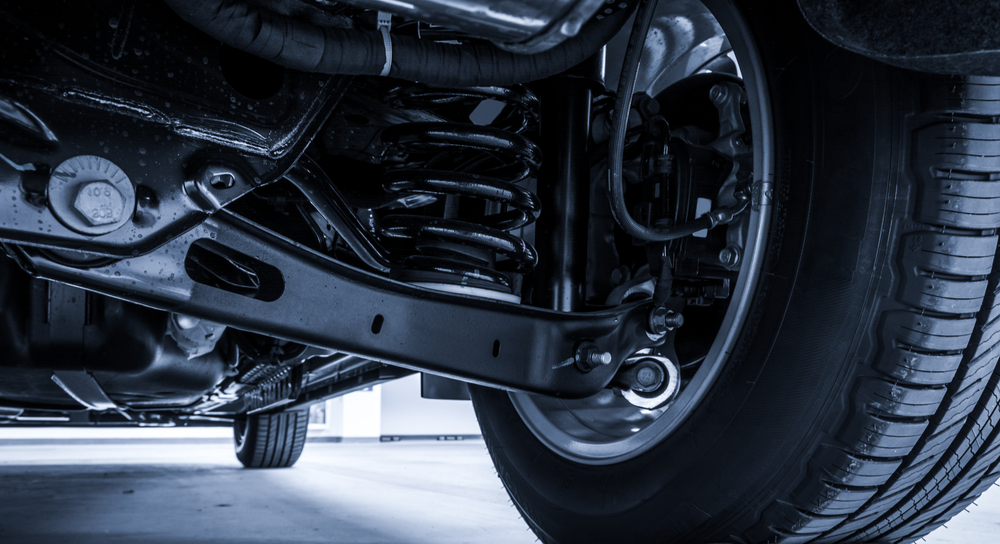
5 Signs It's Time for a Suspension Upgrade
The difference between a steady, safe drive and a rough, unstable one comes down to your truck’s suspension. It ensures stability, responsiveness, and comfort, whether you’re hauling weight or cruising the highway.
Catching problems early is key. Here are five warning signs that mean it’s time for truck suspension upgrades.
Uneven Tire Wear
If your tires are wearing down unevenly, it often signals suspension issues. A faulty system fails to keep tires balanced, forcing them to carry more weight on one side and reducing overall safety.
Excessive Bouncing or Rough Rides
A healthy suspension absorbs bumps smoothly. If you notice constant bouncing, jolting, or an unusually rough ride, your shocks and struts may be worn out and in need of replacement.
Drifting or Pulling During Turns
When your truck pulls to one side while cornering, it suggests your suspension can’t stabilize the vehicle. This reduces steering control and puts you at risk, especially during sharp turns or lane changes.
Noisy Suspension Components
Clunking, squeaking, or rattling sounds are red flags. These noises often point to damaged shocks, struts, or other suspension parts that need immediate inspection to avoid further costly damage.
Sagging or Low-Riding Corners
If one corner of your truck sits lower than the others, your suspension springs may be worn or broken. This imbalance strains other components and makes handling less predictable.
A reliable suspension system is vital for safety and comfort. Addressing these signs promptly keeps your truck performing at its best.
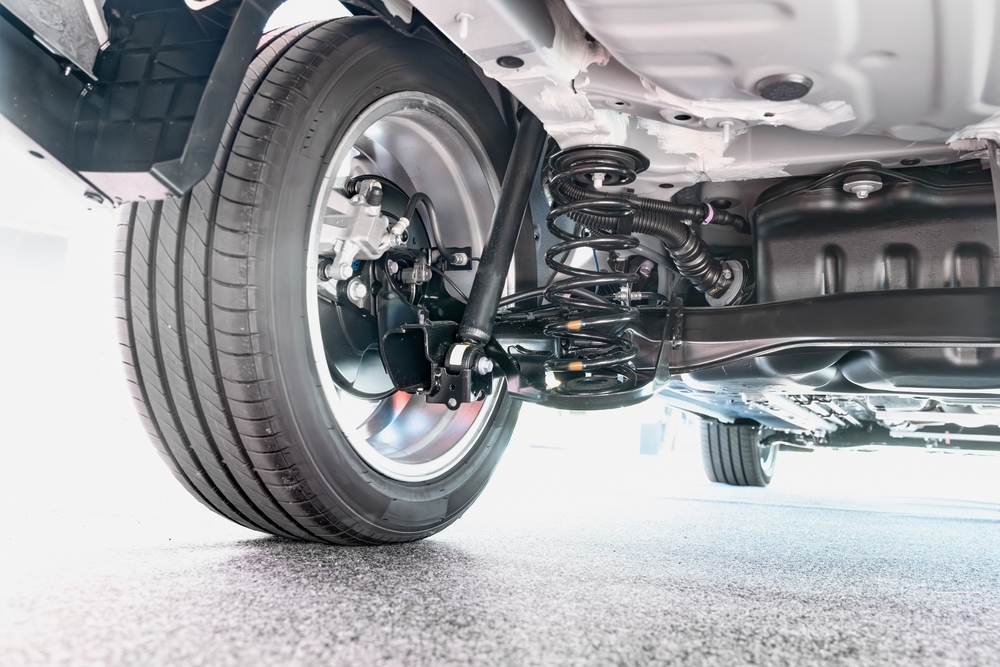
The Sound of Suspension Problems: What Are Those Noises?
When your truck starts making unfamiliar noises, it’s easy to shrug them off—especially if everything seems to be driving fine. But those sounds could be your suspension’s way of crying out for help. Understanding and identifying suspension noise can save you time, money, and possibly prevent dangerous situations down the road.
Why Listen to Your Truck's Suspension?
Your truck’s suspension is more than a comfort feature—it’s essential for safety, handling, and braking. Every drive subjects it to potholes, bumps, and uneven roads, wearing down components over time. Paying attention to early warning signs can save you money and prevent dangerous situations.
Early Detection Saves Money and Ensures Safety
Suspension issues tend to worsen if ignored, leading to costly repairs on other parts such as tires or brakes. More importantly, a failing suspension reduces your ability to stop quickly, handle turns, and maintain control in emergencies. Spotting problems early preserves performance and enhances road safety.
Your Suspension Is Critical for Ride, Handling, and Braking
Beyond smoothing out bumps, your suspension ensures stable handling, even tire wear, and proper brake function. A worn suspension compromises cornering ability and increases stopping distances, turning what seems like a minor issue into a real hazard on the road.
Different Noises Indicate Different Issues
Listening to the sounds your suspension makes can help you identify problems before they escalate. Clunks, squeaks, and rattles all signal worn or loose parts that need attention. Recognizing these noises is one of the most practical ways to diagnose early suspension trouble.
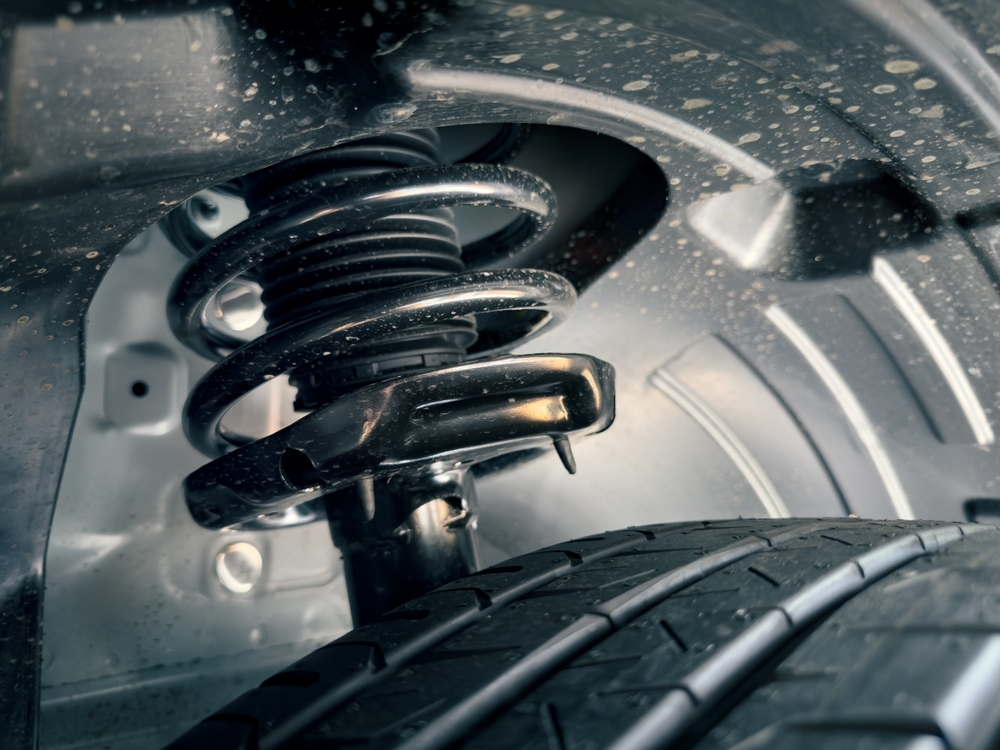
3 Common Suspension Noises and Their Meanings
Clunking or Knocking Sounds
Often heard over bumps or rough terrain, these noises may be caused by worn ball joints, loose sway bar links, or failing strut mounts. Ignoring them risks part failure and unsafe driving conditions.
Squeaking or Creaking Noises
These occur during turns, speed bumps, or slow driving. Causes include worn bushings, rusted joints, or a lack of lubrication. While they develop gradually, they affect wheel alignment and vehicle stability if not addressed.
Rattling Sounds
Typically noticed on uneven roads, rattles can stem from loose underbody parts, worn shocks, or damaged heat shields. Since rattles may come and go, they’re often overlooked, but they can compromise ride quality and tire traction.
What to Do When You Hear a Suspension Noise
Suspension noise should never be dismissed, as small issues can quickly escalate into costly repairs and safety risks. Pay attention to when and how the noise occurs—such as during turns, over bumps, or in specific weather conditions—as these details help mechanics pinpoint the root cause. While you can look for obvious signs like leaks or broken parts, only a professional inspection can ensure accurate diagnosis and proper repairs, keeping your truck safe and reliable on the road.
How to Fix a Truck Suspension That Pulls to One Side
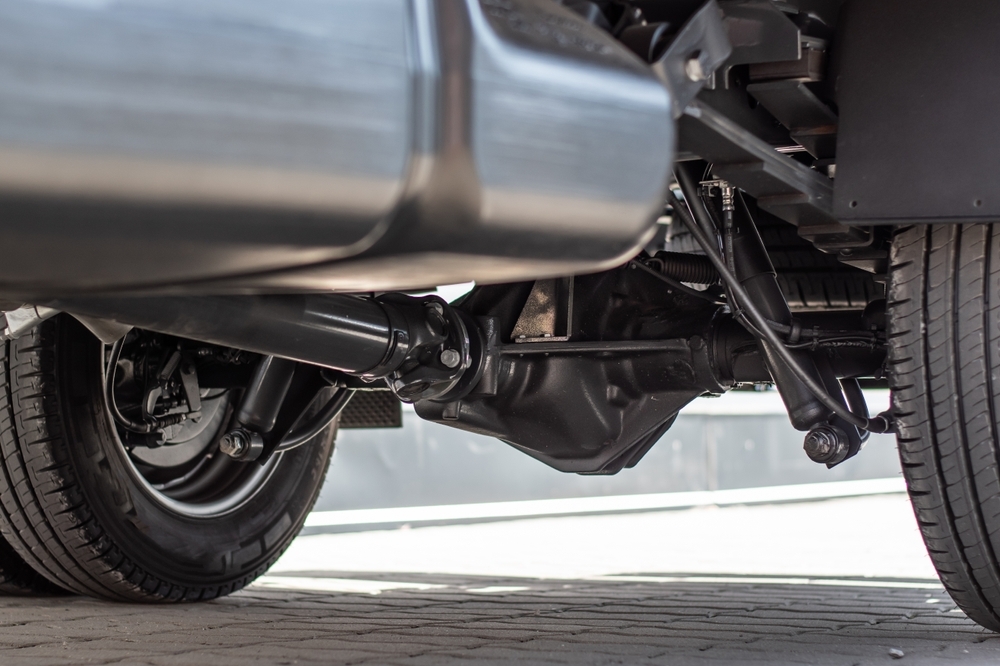
If your truck is pulling to one side, you're not just dealing with a minor annoyance—you could be facing a serious safety hazard. A pulling truck may be a symptom of deeper issues with your truck suspension, tires, or alignment. Fortunately, there are several ways to diagnose and fix suspension issues before they lead to more costly damage.
Let’s break down what causes a truck to pull, how to troubleshoot it yourself, and when to call in a professional.
Understanding Why Your Truck Might Be Pulling
When your vehicle consistently veers to one side, it can quickly become frustrating and potentially hazardous. This behavior often indicates that something beneath the chassis is not functioning as it should.
Common Causes of a Vehicle Pull
Frequent causes include incorrect tire pressure, poor wheel alignment, worn suspension components, or brake-related concerns. Identifying the underlying issue is essential to applying the most effective solution.
Differentiating Suspension Issues from Other Problems
Not every pulling problem stems from suspension trouble. Unevenly worn tires, dragging brakes, or improperly inflated tires can create the same symptoms. It’s important to eliminate simpler issues before focusing on the suspension.
Safety Concerns Associated with a Pulling Truck
Driving with a persistent pull doesn’t just reduce comfort—it increases risk. Poor handling can compromise control, particularly in wet or slippery conditions. Timely diagnosis and repair help keep your truck safe and dependable.
Initial DIY Checks and Simple Solutions
Before exploring complex repairs, there are straightforward steps you can take at home.
Checking Tire Pressure (and Adjusting Accordingly)
Unequal tire pressure is one of the simplest causes of pulling. Use a dependable gauge and adjust to the manufacturer’s specifications.
Inspecting Tires for Uneven Wear or Damage
Check for bald spots, scalloped tread, or sidewall defects. These may indicate alignment problems or that one wheel is carrying more weight than it should.
Visual Inspection of Suspension Components
Safely elevate your truck and look for warning signs such as leaking shocks, broken springs, or loose arms. These can contribute to instability and pulling.
Ensuring Proper Load Distribution
Carrying an unbalanced load, especially in the bed of a pickup, can affect handling. Redistribute cargo weight evenly to reduce pulling.
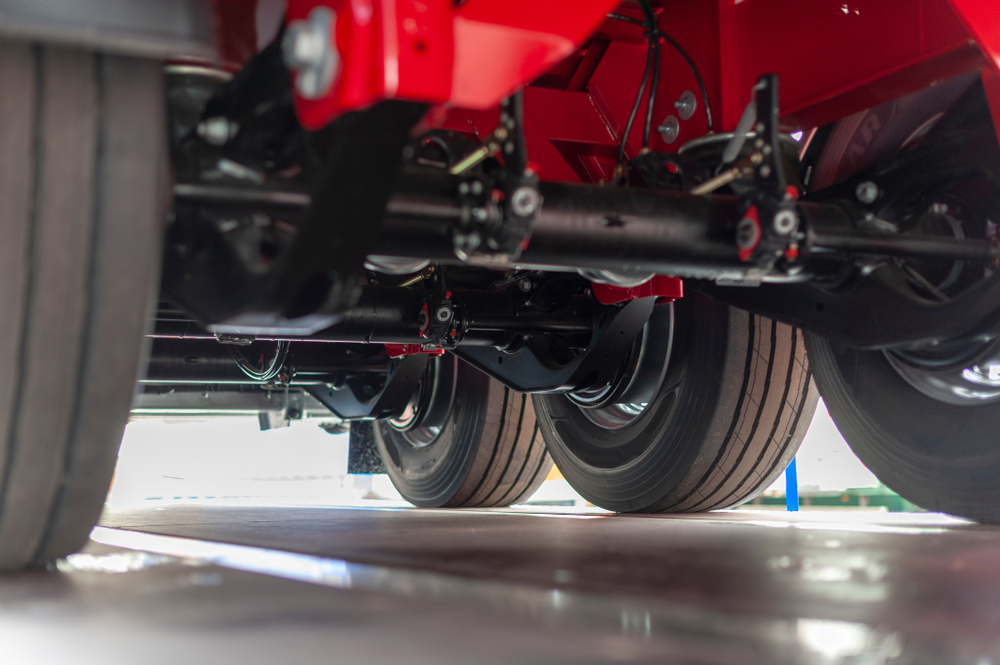
More Involved DIY Diagnostic Steps (Proceed with Caution)
If the initial checks don’t resolve the issue, further inspection may be necessary.
Checking for Obvious Damage to Shocks or Struts
Leaking or worn shocks may not always directly cause pulling but can reduce stability under braking and on uneven roads.
Inspecting Bushings and Ball Joints for Play
Ask a helper to move the wheels while the truck is lifted. Excessive movement can signal worn joints or bushings.
Looking for Bent or Damaged Tie Rods
Tie rods are crucial for steering precision. If bent or loose, alignment is affected, causing pulling.
When DIY Might Not Be Enough (and When to Call a Professional)
Some situations are best left to an expert.
Persistent Pulling After Initial Checks
If the issue continues despite basic fixes, the cause may involve frame misalignment or internal suspension damage.
Obvious Damage to Suspension Components
Severe rust, cracks, or bent parts must be handled by professionals. Incorrect repairs can create unsafe conditions.
Uncertainty About the Cause of the Pull
If the source of the issue isn’t clear, guessing may lead to unnecessary expenses. A professional inspection is the safer choice.
The Need for Specialized Tools or Alignment Equipment
Proper wheel alignment requires precise calibration with specialized machines. DIY solutions are not a substitute for professional service.
The Importance of a Proper Wheel Alignment
How Misalignment Causes a Vehicle to Pull
When wheel angles such as camber, toe, or caster are out of alignment, tire contact with the road is compromised, creating a pull.
Why DIY Alignment is Generally Not Recommended
Attempting alignment without professional tools risks further damage. Even small errors can increase tire wear and worsen handling.
What a Professional Alignment Service Entails
Specialized equipment ensures suspension geometry matches factory specifications. This keeps the truck driving straight and maximizes the performance of upgraded parts.
Potential Suspension Components Causing the Pull
Worn or Damaged Shocks or Struts
Uneven wear between sides can reduce stability and cause the vehicle to drift.
Loose or Damaged Ball Joints or Tie Rod Ends
These are critical steering components. Excess play makes handling unpredictable and may cause pulling.
Worn or Cracked Suspension Bushings
Bushings absorb vibration and support suspension joints. When degraded, they can affect the balance between sides.
Bent Control Arms or Other Structural Components
Often resulting from collisions or heavy impacts, bent arms alter wheel geometry and destabilize the vehicle.
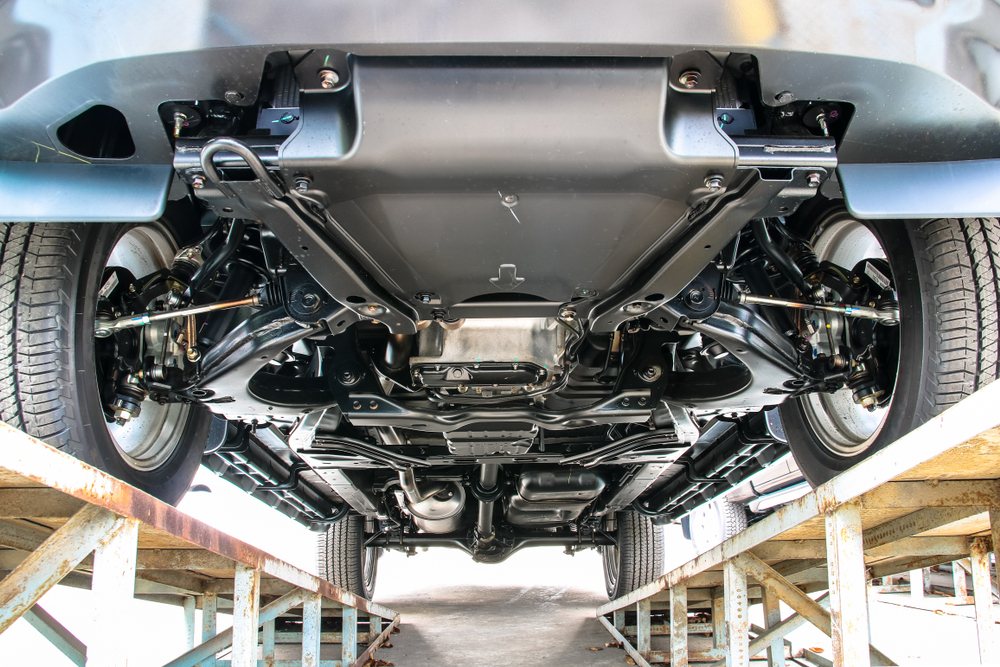
Lift vs. Lower: Which Suspension Modification Is Right for Your Pickup?
Want to take your pickup truck to the next level? Lifting or lowering the suspension is a game-changer, impacting everything from aesthetics to off-road capability. However, choosing between these options can be confusing.
What Does Lifting Your Pickup Truck Mean?
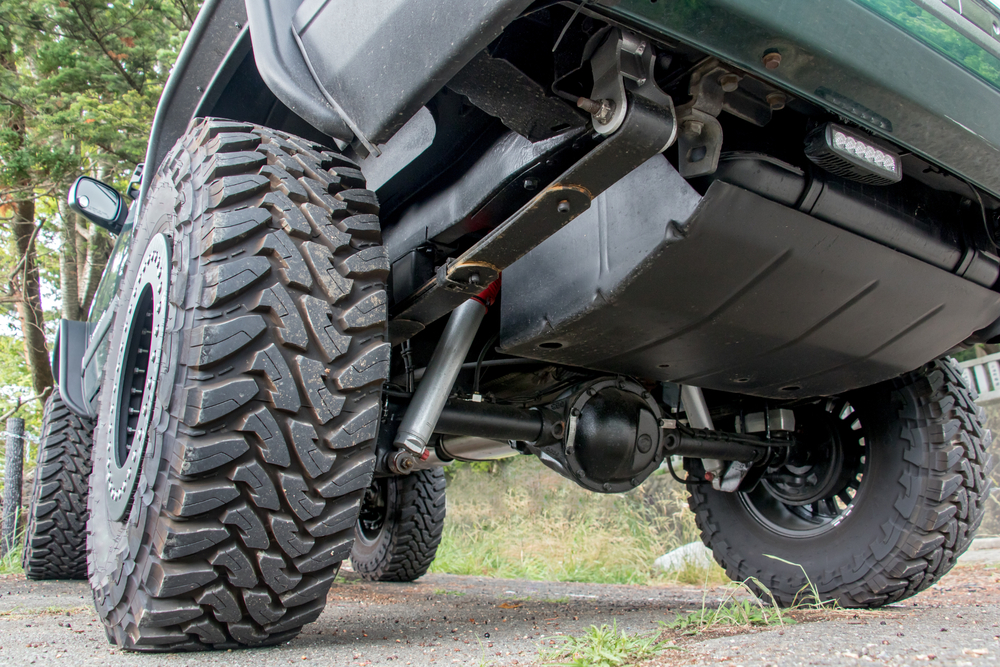
Lifting your pickup truck involves increasing the distance between the frame and the ground through suspension modifications. This provides higher ground clearance, enhancing off-road performance and giving the truck a more aggressive, standout appearance.
What Are The Benefits of Lifting Your Truck?
A lifted truck offers two main advantages: superior off-road capability and a commanding visual presence. Increased clearance allows you to handle rough terrain and obstacles with ease, while steeper approach and departure angles improve maneuverability. The elevated stance also creates a bold look that distinguishes your vehicle.
Does Lifting Your Truck Have Any Downsides?
While beneficial, lifting a truck comes with compromises. Raising the center of gravity can reduce stability during sharp turns or sudden maneuvers. Larger tires and higher profiles add wind resistance, which may lower fuel efficiency. Installation costs can also be high, particularly with advanced kits. Choosing quality suspension lift kits helps ensure durability and reliable performance.
What Does Lowering Your Pickup Truck Mean?
Lowering your pickup reduces the gap between the chassis and the ground by modifying or replacing suspension parts. This approach is often favored for performance builds or customized show trucks.
What Are The Benefits of Lowering Your Truck?
Lowering enhances handling, stability, and style. A lower center of gravity sharpens responsiveness and cornering, while improved aerodynamics can boost highway fuel efficiency. High-quality lowering kits paired with performance shocks maintain ride comfort while delivering a sporty, refined driving experience.
What Are The Drawbacks of Lowering Your Truck?
Reduced ground clearance limits your ability to navigate uneven roads or off-road trails. Even in city driving, scraping on speed bumps or inclines can occur with aggressive drops. Poorly executed modifications may also create a harsher ride. Investing in premium lowering kits is essential to preserve both comfort and drivability.
3 Factors to Consider Before Making Your Purchase
What's Your Truck's Purpose?
Evaluate how you primarily use your truck. For off-road and rugged terrain, lifting provides the clearance needed. For city driving and highway cruising, lowering improves handling and style. Keep towing and hauling requirements in mind when deciding.
Understanding the Investment
Suspension upgrades vary in cost. Entry-level kits are affordable, but advanced lift kits can be expensive, especially with labor and additional parts. Lifts may require new tires or wheels, while lowering can call for camber kits. Calculate the total expense before committing.
Express Your Style
Your truck reflects your personality. Lifting projects toughness and off-road capability, while lowering emphasizes a sleek, performance-focused look. Consider your style and driving habits when selecting the suspension modification that best matches your goals.
The Guide to Choosing the Right Shock Absorbers for Your Truck
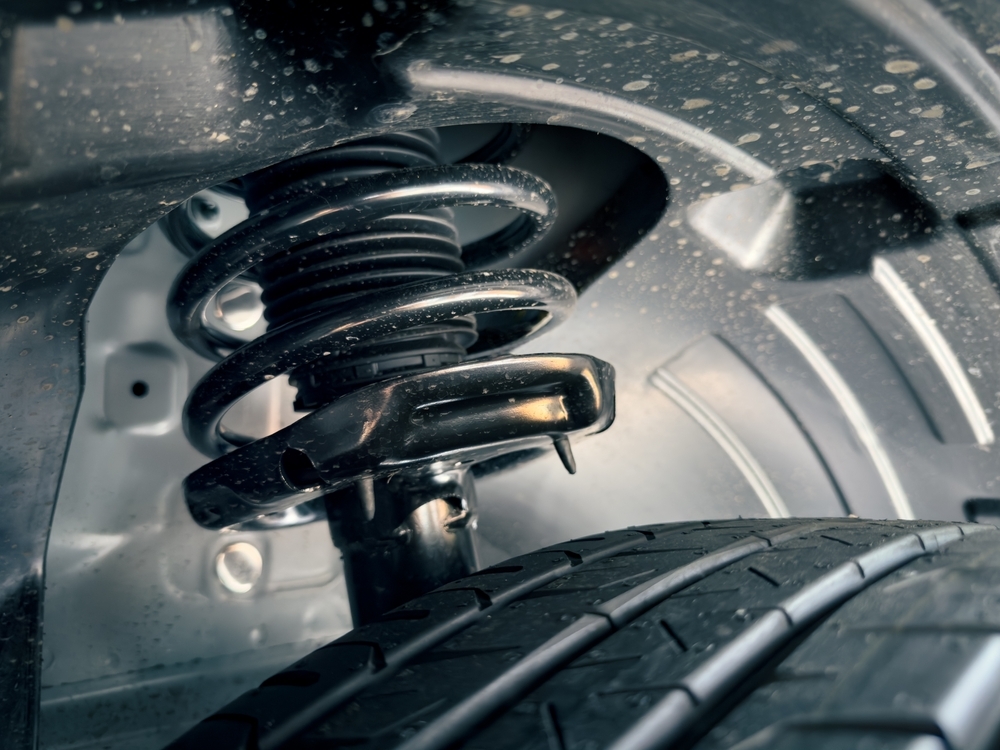
Finding the best truck shocks is essential when upgrading or maintaining your truck’s performance. Shock absorbers play a critical role in your vehicle’s suspension system—they help control the movement of the springs and suspension, ensuring a smoother ride and better handling.
Understanding Different Types of Shock Absorbers
Before choosing new shocks, it’s important to know the available types and their benefits. Each option suits different driving conditions and performance needs.
Hydraulic Shocks
Hydraulic shocks are the most common and are often installed by manufacturers. They use hydraulic fluid to absorb suspension movement, offering reliability and affordability for standard road use. Best suited for everyday driving, they provide consistent performance on paved surfaces.
Gas-Charged Shocks
Gas-charged shocks function similarly but add nitrogen gas to minimize foaming in the fluid. This improves performance under stress, such as off-road driving or towing. They deliver better responsiveness and durability, making them ideal for drivers seeking improved ride control and stability.
Adjustable Shocks
Adjustable shocks let drivers fine-tune ride stiffness. This flexibility is valuable for trucks used in multiple conditions—hauling, towing, or commuting. They balance comfort and control, adapting suspension performance to meet diverse needs.
Remote Reservoir Shocks
Engineered for heavy-duty and off-road use, these shocks feature an external fluid reservoir. This design improves heat dissipation and increases travel, making them perfect for demanding conditions. They are favored by serious off-roaders and those who push their trucks to extreme limits.
4 Factors to Consider When Choosing Shock Absorbers
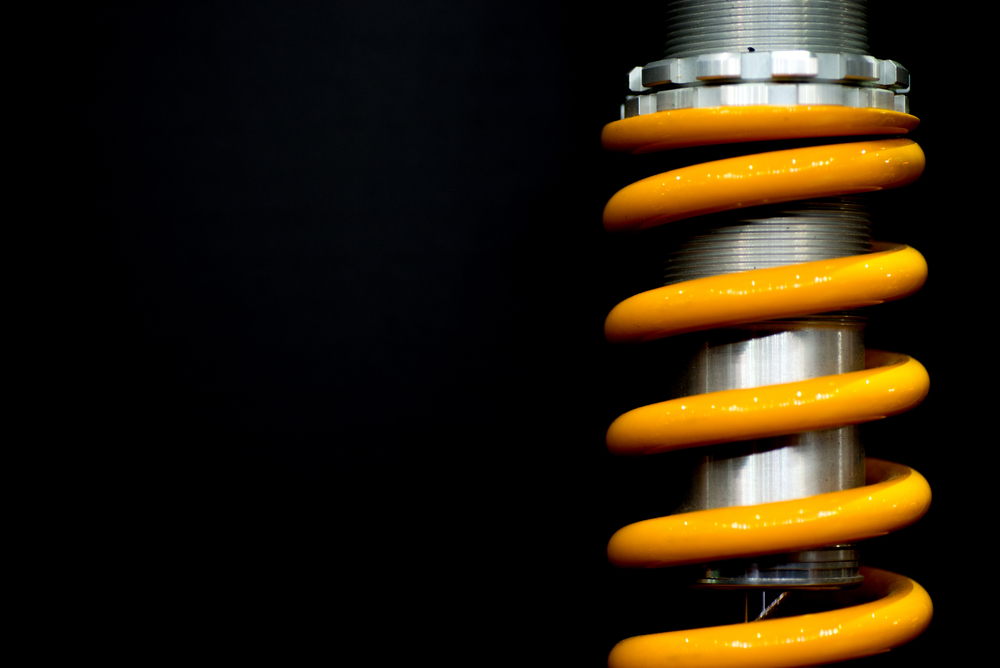
Selecting shocks requires evaluating your truck’s use, load requirements, ride preferences, and budget.
Intended Use of the Truck
Determine your primary use—daily driving, towing, or off-roading. Hydraulic and gas shocks are suitable for commuting, while advanced options like remote reservoir shocks better handle rugged terrain.
Load Capacity and Towing Needs
Heavy loads demand shocks designed for higher weight ratings. Choosing shocks that match your vehicle’s towing specifications improves safety, handling, and longevity. Underpowered shocks lead to poor performance and early wear.
Ride Quality Preferences
Your comfort expectations influence the choice. Softer shocks enhance smoothness for everyday driving, while firmer setups improve control and handling. Striking the right balance ensures both comfort and performance.
Budget and Brand Reputation
While cheaper options exist, trusted brands with proven reliability reduce long-term costs. Reputable front and rear shocks often come with warranties, offering peace of mind and better durability.
Truck Shocks Installation and Maintenance Tips
Correct installation and regular care maximize the life and performance of your shocks.
Proper Installation Techniques
Always follow manufacturer guidelines, including torque specifications. Securely support the truck during replacement and ensure old components are removed. Professional installation is advised for complex systems like adjustable or remote reservoir shocks.
Regular Maintenance and Inspection
Inspect shocks periodically for leaks, cracks, or worn parts. Replace them when signs of wear appear to maintain alignment and avoid damage to other suspension components. Well-maintained shocks ensure consistent ride quality and extend suspension lifespan.
DIY: Installing a Leveling Kit on Your Vintage Chevy
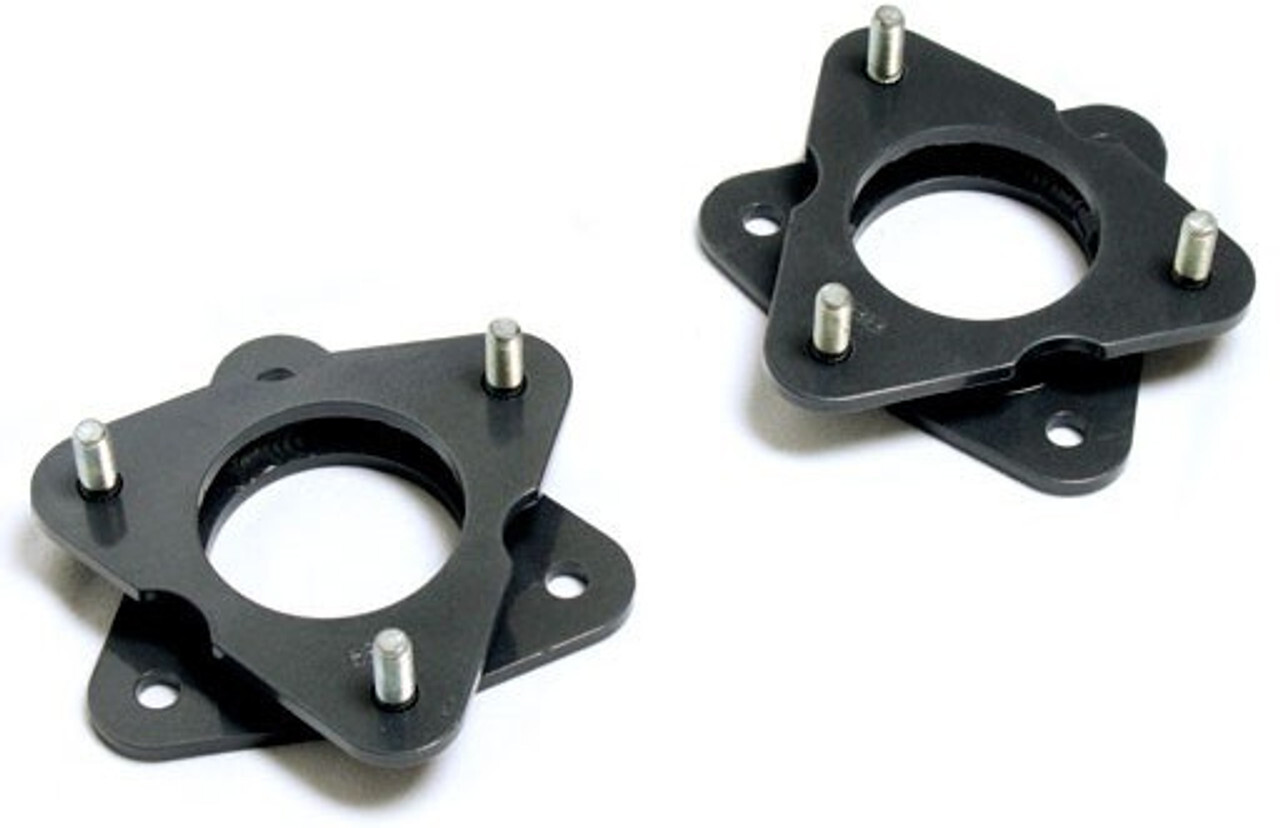
Installing a truck leveling kit on your vintage Chevy is a great way to upgrade your vehicle’s stance and off-road readiness without a full suspension overhaul. Whether you're aiming for a more aggressive look or better functionality, a leveling kit delivers noticeable improvements.
Why Level Your Vintage Chevy?
Enhances Appearance (Removes Factory Rake)
Many Chevy trucks come with a factory rake, where the rear sits higher than the front. A leveling kit corrects this tilt, creating a more balanced and aggressive look. The change is subtle but provides a strong visual impact.
Allows for Larger Tires
Leveling increases clearance in the front wheel wells, making room for larger tires without rubbing. This upgrade not only boosts style but also improves performance and confidence for off-road use or everyday driving.
Improves Ground Clearance for Light Off-Roading
By raising the front suspension slightly, a leveling kit enhances approach angles and reduces the risk of scraping. While not designed for extreme trails, it provides enough clearance for light off-road adventures.
Before You Begin: Preparation is Key
Gather Necessary Tools
Essential tools include a floor jack, jack stands, a full wrench set, and potentially a spring compressor. Having everything ready before starting ensures a smoother installation process.
Purchase the Correct Leveling Kit for Your Chevy Model and Year
Leveling kits are model-specific. Confirm compatibility with your vintage Chevy to avoid improper fitment or safety concerns. Checking part numbers and manufacturer guides is crucial.
Review Safety Precautions
Always use wheel chocks, jack stands, and proper lifting techniques. Safety comes first, and cutting corners can lead to serious risks.
Disconnect Battery (If Working Near Electrical Components)
Even though most installs don’t involve wiring, disconnecting the battery helps avoid electrical hazards or accidental starts while working under the truck.
Step-by-Step Installation Overview
Lift and Secure Vehicle Safely
Loosen lug nuts, raise the front end with a jack, and place jack stands at solid frame points. Remove wheels to access the suspension.
Disassemble Existing Suspension Components
Remove shocks, control arms, or sway bar links if necessary. Trucks with coil springs or struts may require a spring compressor for safe disassembly.
Install Leveling Components
Fit the new parts—spacers, springs, or extended shocks—per the kit instructions. Ensure correct orientation for safety and performance.
Reassemble Suspension Components
Reinstall the removed parts, ensuring all connections are secure and properly aligned.
Lower Vehicle and Torque All Bolts to Spec
Lower the truck carefully and tighten all bolts to the manufacturer’s specifications using a torque wrench. This step is critical for safety and longevity.
How to Install a Truck Leveling Kit
The process includes securing the vehicle, removing suspension components, installing the leveling kit, and reassembling carefully. Once complete, always schedule a professional alignment to ensure proper handling.
Post-Installation Essentials
Get a Professional Wheel Alignment Immediately
A leveling kit alters suspension geometry. Professional alignment prevents uneven tire wear and poor steering response.
Test Drive Carefully to Check for Unusual Noises or Handling
A slow, cautious drive helps identify clunks, squeaks, or steering pull. Minor adjustments may be needed.
Re-Check All Bolts After a Few Miles
After 50–100 miles, bolts should be re-checked to confirm none have loosened, especially those under tension.
Tips That Improve the Final Result
For future upgrades, ensure compatibility between your leveling kit and additional suspension parts. Investing in a system designed for synergy improves both style and performance. Reviewing installation videos for your Chevy model can also help avoid mistakes.
Top 5 Suspension Upgrades on Your Tacoma for Improved Off-Road Performance
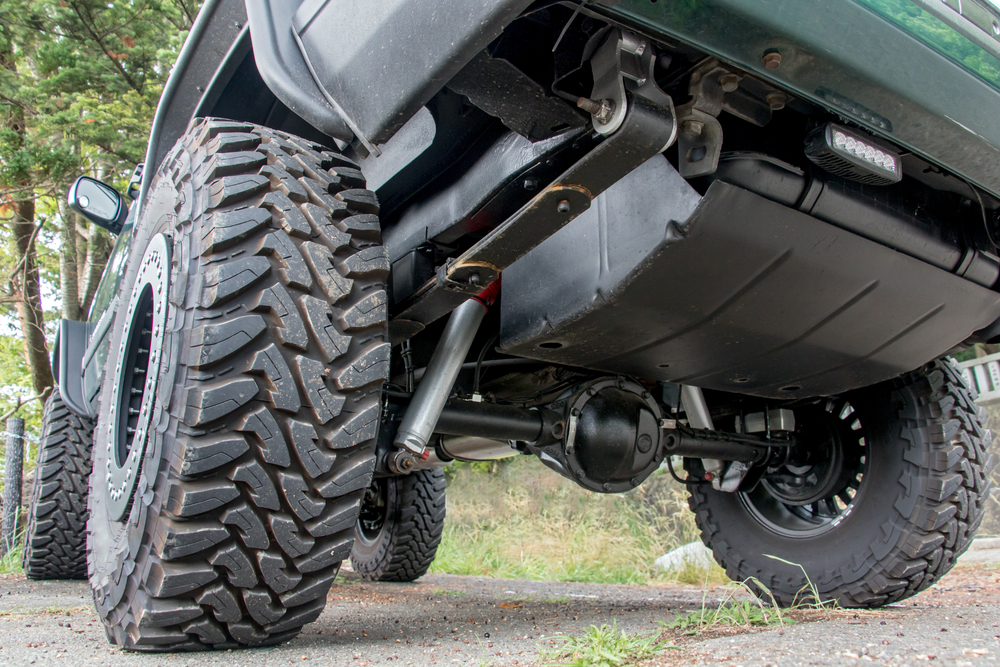
If you're serious about taking your Toyota Tacoma off-road, upgrading your Tacoma suspension is one of the smartest investments you can make. The stock setup may handle mild trails and daily driving, but when the terrain gets rugged, you need a system that’s built for the challenge.
Whether you're rock crawling, overlanding, or tearing through desert washes, these top five truck suspension upgrades will dramatically improve your capability, comfort, and confidence off the beaten path.
Why Upgrade Your Tacoma's Off-Road Suspension?
Factory Suspension Limitations for Serious Off-Roading
The Tacoma is trail-ready from the factory, but OEM suspension prioritizes road comfort and mild off-road use. Stock coilovers and leaf springs have limited travel and may bottom out under heavy loads or tough terrain. Over time, these parts wear quickly when pushed beyond their design, reducing both performance and safety.
Enhancing Capability, Comfort, and Durability
Upgraded suspension provides more than off-road strength. It improves comfort on rough backroads, enhances durability when carrying loads, and sharpens overall handling. Quality parts reduce strain on the truck while keeping you in control on and off the trail.
Tackling Tougher Trails with Confidence
Stronger shocks, better articulation, and increased clearance give you the confidence to handle steep inclines, deep ruts, and rugged obstacles. Upgrades expand your Tacoma’s capabilities and deliver noticeable improvements the moment you hit the trail.
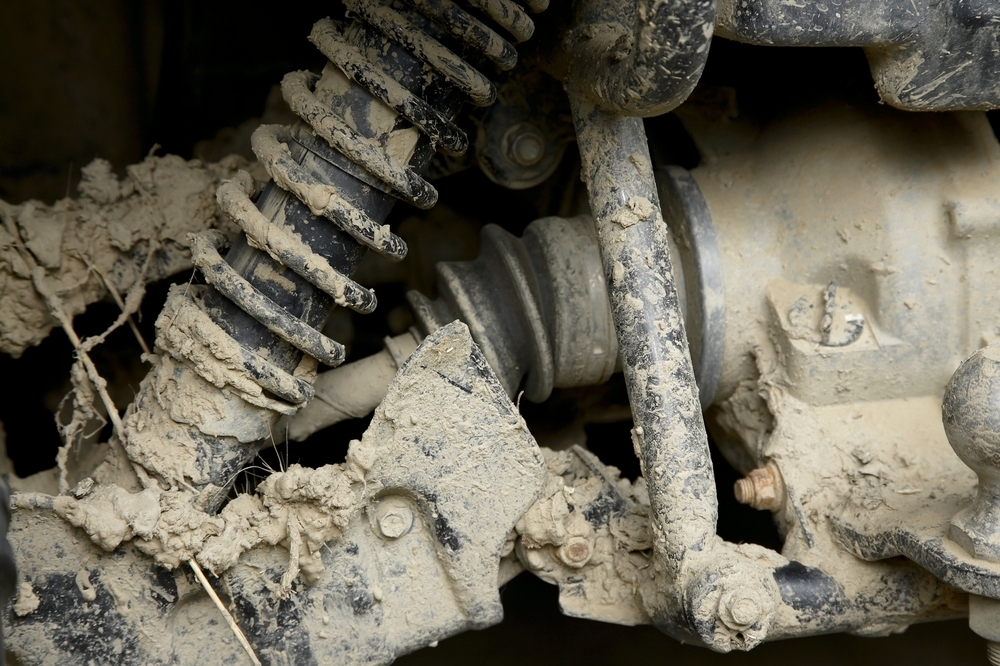
Top 5 Suspension Upgrades
Upgraded Coilovers and Shocks
Stock shocks struggle with heat and limited travel. High-performance coilovers, adjustable setups, or remote reservoir shocks offer smoother rides, longer life, better heat dissipation, and compatibility with larger tires and lift kits.
Aftermarket Upper Control Arms (UCAs)
Lifting a Tacoma can throw off alignment and restrict suspension travel. Upgraded UCAs correct camber, improve articulation, and reduce stress on ball joints, resulting in better handling and stability.
Heavier Duty Leaf Springs (Rear)
The rear suspension often sags under extra weight. Options like add-a-leaf kits or full replacements prevent bottoming out, maintain ride height, and enhance load capacity for towing or carrying gear.
Extended Brake Lines
With added suspension travel, longer brake lines prevent stretching or snapping under full droop. This ensures consistent braking performance, especially with lifted setups.
Suspension Limit Straps
These protect shocks and drivetrain parts from overextension during extreme articulation. By controlling droop limits, limit straps extend component life and are essential for aggressive off-road builds.
Essential Considerations Before Upgrading
Define Your Off-Road Goals
Choose suspension parts based on how you use your Tacoma—overlanding, desert running, or technical rock crawling each requires a different setup.
Budget Planning for Parts and Professional Installation
Upgrades range from simple bolt-ons to advanced systems needing professional tuning. Plan for parts, labor, alignment, and tools to avoid surprises.
Understand Daily Driving Impact
Suspension changes affect road behavior. Higher ride heights and firmer springs can reduce pavement comfort. The right balance ensures your Tacoma performs well both daily and on the trail.
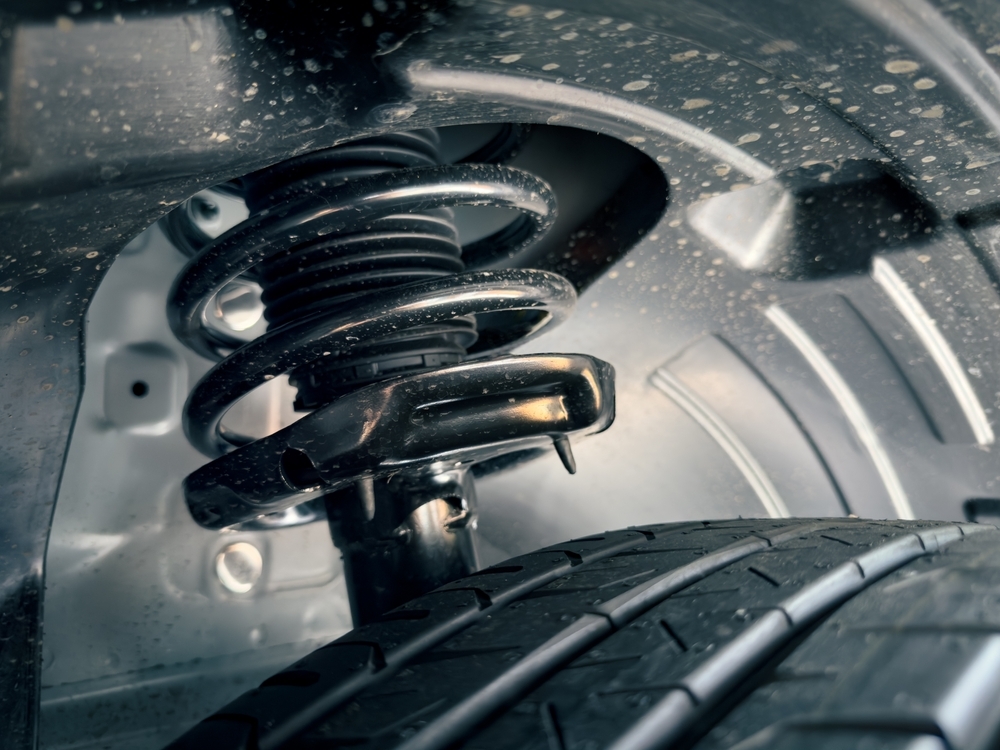
Long Travel Suspension vs. Mid Travel Suspension: Which One is Right for You?
Upgrading your truck’s suspension is one of the most impactful changes you can make for off-road performance. But with so many options, the debate often comes down to two main choices: long travel suspension vs. mid travel suspension.
Understanding Off-Road Suspension Travel
What is Suspension Travel?
Suspension travel measures how far a wheel moves vertically relative to the chassis. Greater travel keeps tires in contact with the ground longer, improving traction, stability, and performance on uneven trails.
Why Travel Matters for Off-Road Performance
More travel enhances articulation, allowing wheels to move independently, improving stability by minimizing bounce, and enabling higher speeds off-road without bottoming out. For off-roaders, it’s a critical factor in capability.
Factory Limitations and the Need for Upgrades
Stock suspensions are optimized for pavement and light trails. They limit vertical wheel movement and durability under stress. That’s why many off-road enthusiasts upgrade to mid travel or long travel suspension systems.
Mid-Travel Suspension: The Balanced Performer
Characteristics
Mid travel suspension upgrades deliver 2–3 inches of lift, extended shocks, and aftermarket upper control arms for better alignment. They typically use factory mounting points, offering a bolt-on solution with improved vertical movement and durability.
Ideal For
This setup is best for overlanding, moderate rock crawling, or daily drivers that see weekend trail use. It strikes a balance between performance and practicality, making it a great option for versatile trucks.
Pros & Cons
Pros
- More affordable than long travel
- Often simple bolt-on installation
- Suitable for daily use and commuting
- Usually no need for body modifications
Cons
- Less wheel travel compared to long travel
- Limited performance for high-speed or extreme terrain
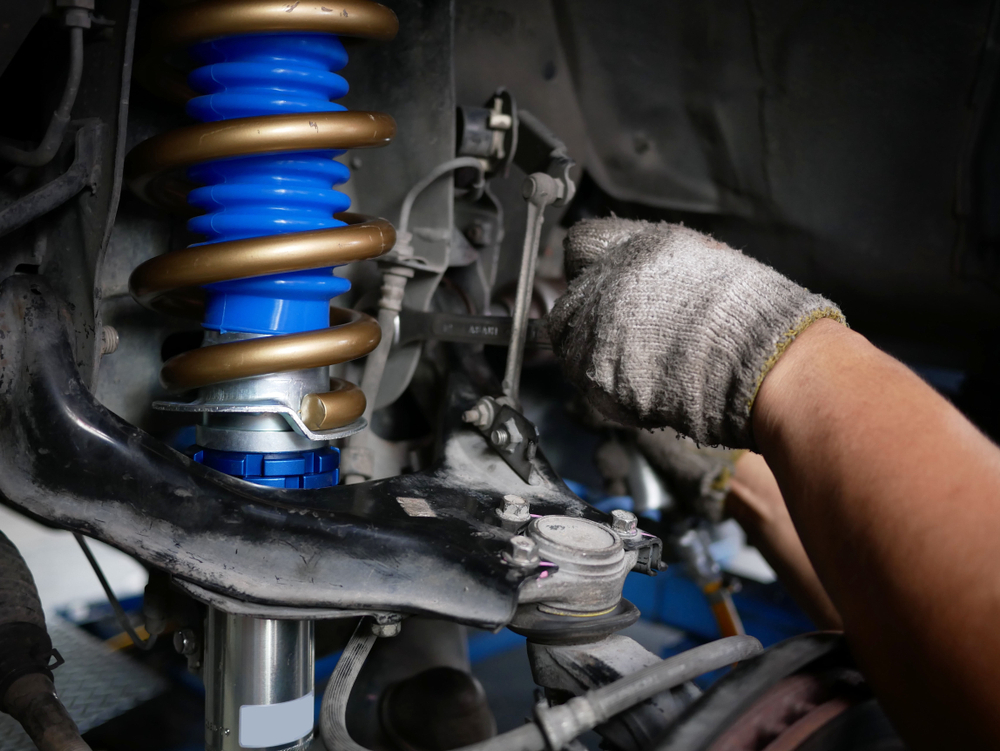
Long-Travel Suspension: The Extreme Performer
Characteristics
Long travel systems offer 10–16+ inches of travel, extended control arms, wider track width, and custom coilover setups. These modifications often require fabrication, cutting, and professional installation.
Ideal For
Perfect for desert racing, extreme rock crawling, or dedicated off-road rigs, long travel suspension transforms a truck into a serious performance machine, though often at the cost of street comfort.
Pros & Cons
Pros
- Maximum articulation and suspension travel
- Excellent stability at high speeds
- Wide, aggressive appearance
Cons
- High cost of parts and installation
- Complex installation requiring professionals
- Reduced daily driving comfort and efficiency
- May require trimming or fender modifications
Key Factors in Your Decision
Your Primary Off-Road Activities
Choose mid travel for mixed-use or overlanding; opt for long travel for racing or extreme trails.
Budget
Mid travel is more affordable and easier to install, while long travel requires a larger financial commitment.
Daily Driving Habits
Mid travel maintains comfort and efficiency. Long travel sacrifices both for performance.
Desired Aesthetic
Long travel delivers a wider, more aggressive stance, but may need body modifications.
Mechanical Aptitude / Support
Mid travel kits are often DIY-friendly. Long travel setups typically need professional installation and ongoing tuning.

Budget vs. High-End Suspension Kits: Is the Extra Cost Worth It?
When considering truck suspension upgrades, it’s easy to get overwhelmed by the wide range of options on the market. From affordable lift kits that enhance aesthetics to premium performance packages designed for extreme off-road conditions, suspension kits come in all shapes, sizes, and prices.
Understanding Suspension Kit Tiers
What a Suspension Kit Includes
A suspension kit typically combines shocks, struts, springs, control arms, bushings, sway bars, and links. These components improve ride height, handling, and durability. The quality and number of parts vary depending on the kit tier, ranging from basic lifts to advanced engineered systems.
The Spectrum of Options from Basic Lifts to Advanced Systems
Suspension kits cover a wide spectrum. Entry-level kits use spacers or blocks for static lift, while premium options include coilovers, remote reservoir shocks, and geometry-correcting parts. High-end systems provide adjustability for different terrains and driving conditions, catering to serious off-roaders.
Why Price Points Vary So Widely
Pricing reflects materials, technology, and brand development. Budget kits rely on simple steel parts with limited adjustability. Premium kits use advanced alloys, nitrogen-charged dampers, and extensively tested engineering for superior articulation, comfort, and long-term performance.
Budget Suspension Kits: Pros & Cons
Pros
Lower Upfront Cost, Accessible Entry Point
Affordable kits allow first-time modifiers or casual drivers to achieve lift and style without significant financial investment.
Achieve Desired Lift Height for Aesthetics
Even basic kits can provide 1–3 inches of lift, accommodating larger tires and creating a more aggressive stance.
Simple Installation for Many Basic Kits
Most entry-level kits are designed for straightforward installation, often without welding or major modifications, making them DIY-friendly.
Cons
Compromised Ride Quality (Stiffer, Harsher)
Lower-cost parts often deliver a rougher ride and reduced comfort on long drives.
Limited Durability and Lifespan of Components
Budget components wear faster, particularly under heavy towing or off-road stress.
Reduced Off-Road Performance (Less Articulation, Damping)
Cheaper kits lack articulation and damping, limiting performance on rocky or uneven trails.
Potential for Accelerated Wear on Other Components
Poor suspension geometry may stress axles, CV joints, and steering components, creating additional repair costs.
High-End Suspension Kits: Pros & Cons
Pros
Superior Ride Quality (On-Road and Off-Road Comfort)
Premium shocks and springs absorb impacts smoothly, enhancing both road and trail performance.
Enhanced Durability and Longer Lifespan
Stronger materials and rigorous testing make these kits highly reliable in harsh conditions.
Maximized Off-Road Performance (Articulation, Damping, Control)
Advanced damping technology, increased travel, and optimized articulation provide unmatched stability and traction.
Often Includes Advanced Features
Remote reservoirs, adjustable coilovers, and progressive springs allow fine-tuning for various loads and terrains.
Engineered for Optimal Geometry Correction
High-end kits include control arms or track bars that ensure alignment, even tire wear, and drivetrain protection.
Cons
Significantly Higher Upfront Cost
Premium systems can cost thousands of dollars, excluding installation.
More Complex Installation, Potentially Requiring Professional Help
Additional components and adjustments usually necessitate expert installation, adding labor costs.
May Introduce Additional Maintenance Requirements
Advanced parts may require inspections, servicing, or shock rebuilds—manageable for enthusiasts but inconvenient for casual drivers.
Key Factors to Consider for Your Investment
Your Vehicle's Intended Use
A daily driver with occasional trail use may only need a budget kit. Dedicated off-road rigs benefit more from high-end systems.
How Much Time Will Be Spent on Pavement vs. Dirt?
If commuting dominates your driving, comfort and efficiency should be prioritized. For frequent off-road use, focus on suspension travel, articulation, and durability.
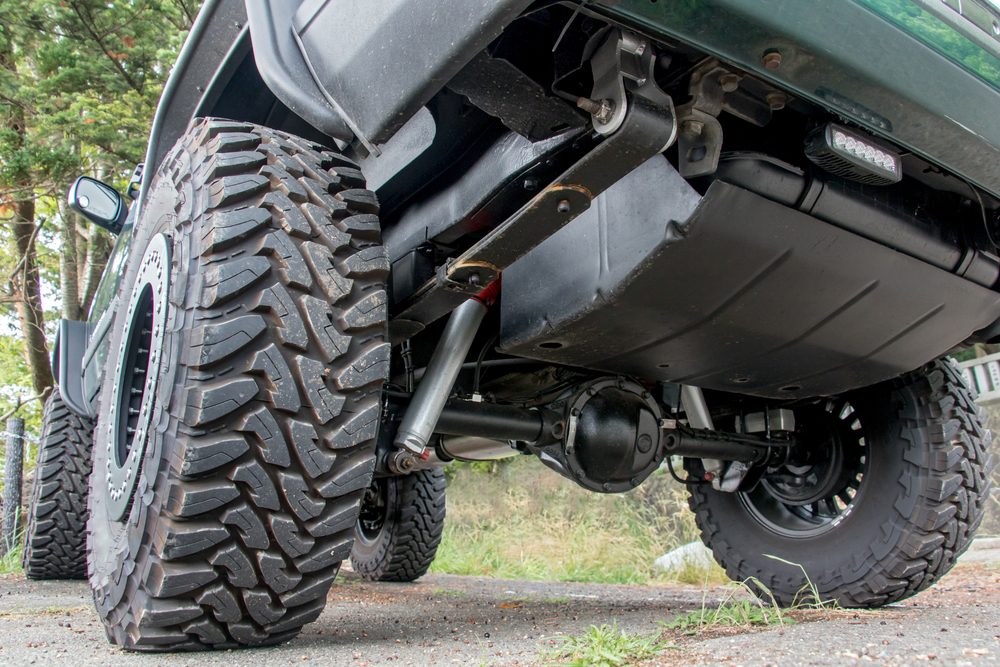
How to Prevent Common Suspension Wear and Tear on Your Off-Road Truck
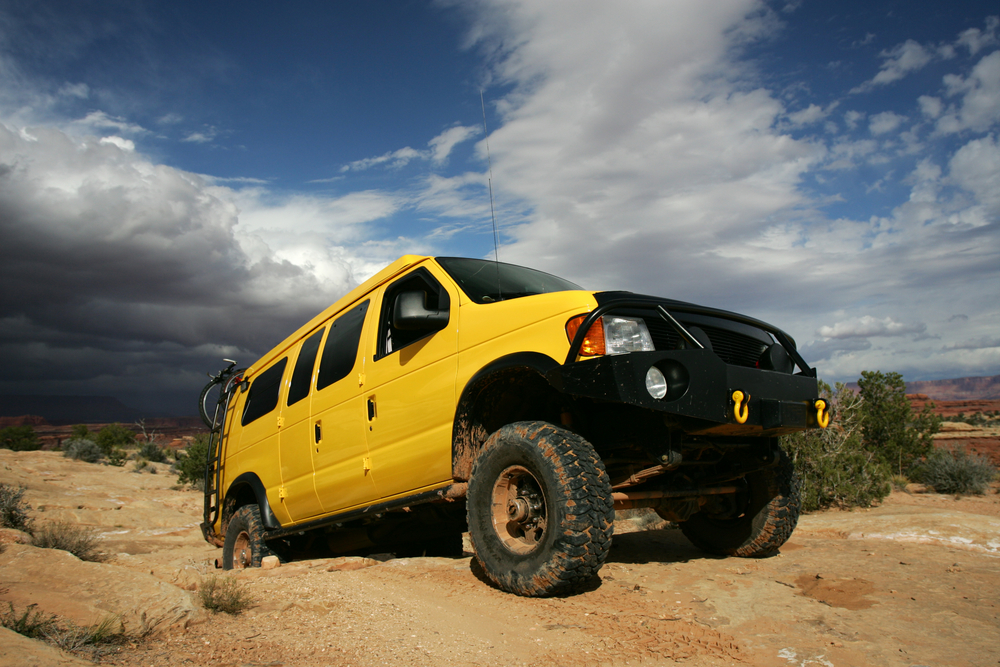
Off-roading is a thrilling adventure, but it comes with a cost—especially to your truck suspension. Whether you're climbing rocky hills or tearing through muddy trails, your suspension system takes a beating. If you're not proactive, the wear and tear can lead to costly repairs or even leave you stranded in the middle of nowhere.
Understanding the Stresses on Off-Road Suspensions
The Unique Demands of Rough Terrain
Unlike smooth highways, off-road trails expose suspension components to unpredictable stress. From bouncing through potholes to flexing over deep ruts, parts such as springs, bushings, and ball joints are constantly tested.
Impact of Rocks, Mud, and Uneven Surfaces
Rocks can directly damage suspension parts, while mud and sand trap moisture, speeding up corrosion. Even small, uneven patches create repetitive stress that gradually weakens shocks and joints.
Importance of a Robust Suspension System
A strong suspension system enhances control while protecting against early wear. However, durability alone isn’t enough—routine maintenance and mindful driving are critical for long-term performance.
Key Preventive Maintenance Practices
Regular Cleaning of Undercarriage and Suspension Components
After off-road use, wash away mud, salt, and debris with a pressure washer to prevent rust around shocks, springs, and bushings.
Checking and Maintaining Proper Tire Pressure (for On and Off-Road)
Incorrect tire pressure adds stress to the suspension. Off-road settings improve traction, but pressures should be adjusted before returning to pavement.
Routine Inspection of Shocks and Struts for Leaks or Damage
Examine shocks frequently for oil leaks, cracks, or dents. Shocks typically fail before springs, making regular checks essential.
Lubricating Suspension Joints and Bushings
Apply water-resistant grease to joints and bushings to minimize friction, reduce wear, and extend component life.
Ensuring Proper Wheel Alignment
Hard trail use can knock alignment out of spec, causing uneven tire wear and unnecessary strain on suspension parts. Regular checks keep your truck tracking properly.
Smart Off-Road Driving Techniques
Avoiding Excessive Speed Over Obstacles
Slowing down reduces the force absorbed by shocks and springs, preventing premature failure.
Choosing Appropriate Lines and Terrain
Careful line selection avoids unnecessary strain. Bypassing deep ruts or sharp rocks can prevent costly repairs.
Gradual and Controlled Maneuvering
Smooth inputs—gentle turns and steady braking—allow suspension parts to function efficiently and minimize stress.
Understanding Your Truck’s Capabilities and Limitations
Knowing clearance, articulation, and payload limits helps avoid pushing the suspension beyond safe performance thresholds.
Regular Inspection Schedule for Suspension Components
Monthly Checks: Visual Inspection of Shocks, Bushings, and Joints
Look for rust, cracks, or leaking fluid monthly to catch issues early.
Every Oil Change: Tire Pressure and Basic Undercarriage Check
Incorporate a quick suspension and tire inspection with each oil change.
Annual or Bi-Annual Professional Inspection and Lubrication
Professional evaluations identify hidden issues and ensure proper lubrication of critical parts.
Upgrading for Durability (When Preventative Measures Aren’t Enough)
Considering Heavy-Duty Shocks and Struts
If factory parts fail prematurely, heavy-duty replacements handle rough terrain with better damping.
Upgrading Bushings to More Durable Materials
Polyurethane or Delrin bushings outlast rubber, resisting heat and grime.
Reinforcing Weak Points in the Suspension System
Aftermarket brackets and mounts strengthen vulnerable areas like control arm supports.
The Importance of Professional Maintenance
Experienced Mechanics Can Identify Potential Issues Early
Professionals spot minor wear before it becomes costly damage.
Proper Torqueing of Suspension Components
Using correct torque prevents uneven stress and premature failure.
Specialized Tools and Knowledge for Suspension Service
Spring compressors, alignment machines, and other tools make professional servicing essential for safety and precision.
Extending the Life of Your Suspension Bushings: Maintenance and Replacement Tips
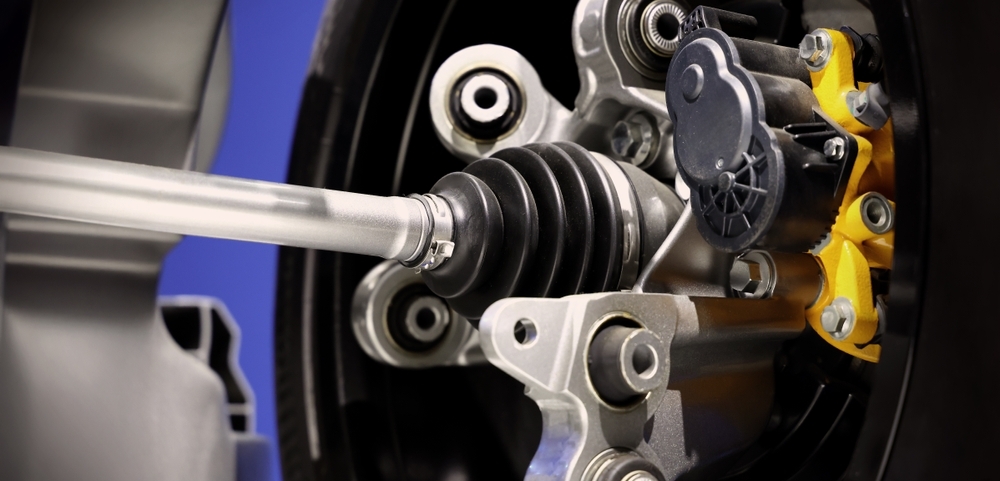
Suspension bushings are a small but essential part of your vehicle’s suspension system, playing a key role in ensuring a smooth and controlled ride. Often overlooked, they are the flexible components that cushion and connect various suspension parts, protecting metal components from wear and helping maintain proper alignment. Understanding how to care for them not only improves your driving comfort but also helps you avoid costly repairs down the road.
The Unsung Heroes of Your Suspension
What Suspension Bushings Are
Suspension bushings are small cylindrical components made from rubber, polyurethane, or similar materials. Acting as buffers between suspension parts, they absorb vibrations, reduce noise, and prevent metal-to-metal contact. By cushioning road impacts, bushings improve comfort while protecting the suspension system from wear.
Why They Are Critical for Ride Quality, Steering, and Safety
Beyond comfort, bushings are vital for steering precision, braking, and stability. They maintain correct suspension geometry, ensuring predictable handling and even tire wear. When bushings wear out, vehicles may experience reduced control, sloppy steering, or compromised safety.
How They Degrade Over Time
Bushings are constantly exposed to heat, moisture, and road salt. Over time, these stresses cause cracking, hardening, or tearing. While wear is unavoidable, proper maintenance can slow deterioration and extend service life.
Signs of Worn Bushings
Squeaking, Creaking, or Groaning Noises Over Bumps
Early wear often reveals itself through squeaks when bushings lose flexibility. This extra friction indicates the material is no longer cushioning movement effectively.
"Clunking" Sounds, Especially When Turning or Braking
A pronounced clunk during sharp turns, potholes, or braking suggests bushings can no longer secure suspension parts tightly, allowing excessive play.
Loose or Sloppy Steering
As bushings deteriorate, suspension alignment drifts, resulting in steering that feels imprecise or delayed—especially noticeable at higher speeds.
Poor Handling and Excessive Road Vibration
Instability, drifting in corners, and increased steering wheel vibration are clear signs of worn bushings. These issues also strain other suspension parts, accelerating wear.
Maintenance Tips to Extend Bushing Life
Regular Cleaning: Wash Away Dirt, Salt, and Grime
Cleaning the undercarriage after off-road trips or winter driving removes corrosive debris, slowing down rust and material breakdown.
Lubrication: Use a Specific Grease for Polyurethane Bushings
Polyurethane bushings often require silicone or Teflon-based grease to prevent squeaks and reduce wear. Rubber bushings, however, typically do not need lubrication and may be damaged by petroleum-based products.
Avoid Harsh Chemicals: Stay Away from Petroleum-Based Cleaners
Strong solvents in many cleaners degrade rubber. Only use suspension-safe products designed for automotive applications.
Proper Torque: Ensure Bolts Are Torqued Correctly
Bushings require the correct clamping force. Overtightening can tear the material, while undertightening allows movement that accelerates wear. Always follow manufacturer's torque specs.
When It’s Time for Replacement
Visual Inspection: Look for Cracks, Tears, or Signs of Dry Rot
Check for visible cracks, splits, or shriveled bushings. A dry, brittle appearance signals it’s time for replacement.
Performance Issues: When Noises and Poor Handling Become Persistent
If squeaks, clunks, or unstable handling continue despite other maintenance, bushings are likely worn beyond serviceable condition. Replacing them promptly prevents further suspension damage.
Upgrade Opportunities
Choosing Between OEM Rubber, Polyurethane, or Other Materials
OEM Rubber Bushings
Provide factory-like comfort, reduced noise, and smoother ride quality, making them ideal for everyday driving.
Polyurethane Bushings
Offer greater durability and tighter handling. They resist heat, oil, and road grime but may transmit more vibration.
Performance Bushings
Made from advanced compounds for motorsport or heavy-duty use, these bushings prioritize precision and longevity over comfort.
Considering the Specific Benefits of Each
Rubber excels at minimizing NVH (noise, vibration, and harshness). Polyurethane offers better lifespan and handling sharpness. The best choice depends on driving style, vehicle purpose, and comfort preferences.
Professional vs. DIY: When to Trust an Expert for Complex Replacements
While some bushings—like shocks—are manageable for skilled DIYers, others (such as control arm bushings) require specialized tools to press out old components and install new ones correctly. In these cases, professional installation ensures alignment, fit, and safety.
How to Set Up Your Suspension for Rock Crawling
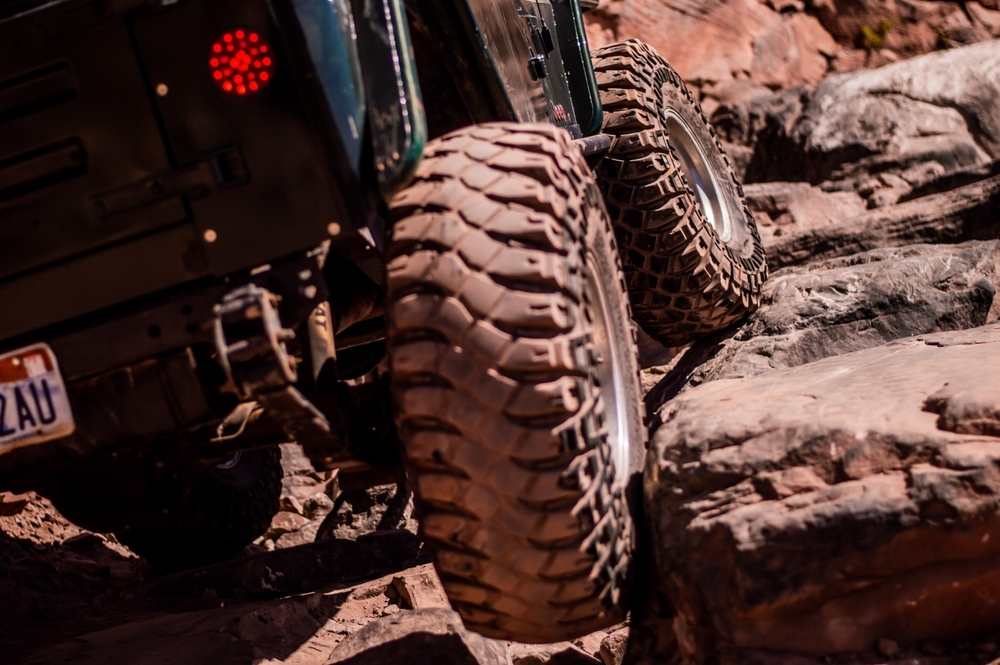
Rock crawling isn’t an average off-road hobby; it’s a technical and extreme sport where your vehicle faces massive boulders, uneven ledges, and steep climbs. Success on the trail depends on more than pure engine force. Your suspension setup plays a crucial role in how well you can navigate terrains that seem impossible at first glance.
Whether you’re building your first rig or refining an existing setup, understanding how to configure a suspension appropriate for rock crawling will help you achieve maximum articulation, control, and confidence on the trail.
The Goal: Maximum Articulation and Control
Why Rock Crawling Requires a Different Suspension Philosophy
Rock crawling is unlike high-speed off-roading. Instead of stiffness, the goal is flexibility—allowing each tire to move independently and stay in contact with the ground. This ensures maximum traction and reduces the chance of sliding on uneven rocks and ledges.
Maximizing Wheel Travel to Keep Tires on the Ground
Long-travel suspension is the foundation of a rock crawler. Extended shocks, springs, and control arms allow tires to maintain grip even when the chassis is twisted at extreme angles. Losing contact means losing traction, which can compromise safety on technical climbs.
Low-Speed Control and Stability Over Extreme Obstacles
Since crawling happens at low speeds—often under 5 mph—suspension geometry and damping matter more than speed. The suspension must flex smoothly without upsetting the center of gravity, allowing drivers to maintain momentum safely.
Key Suspension Components for Rock Crawling
Shocks and Coilovers
Long-travel shocks absorb uneven terrain, while coilovers add adjustability for ride height and spring rates. Remote-reservoir shocks are especially useful for professional crawling, as they keep fluid cool and consistent during prolonged climbs.
Springs
Springs dictate comfort and articulation. Softer or dual-rate springs improve flex while still supporting vehicle weight when compressed. Overly stiff springs reduce articulation and make the vehicle unstable. The right balance maintains traction without sagging.
Control Arms and Linkages
High-clearance aftermarket control arms prevent snagging on rocks, while adjustable links correct pinion and caster angles after lifts. Heavy-duty joints, such as heim or flex joints, withstand repeated flexing and maintain alignment.
Sway Bars and Anti-Roll Systems
While sway bars add stability on pavement, they limit articulation off-road. Many crawlers use disconnectable sway bars or hydraulic anti-roll systems for flexibility. Dedicated rigs may eliminate sway bars entirely to maximize articulation.
Essential Adjustments and Setup Tips
Setting Ride Height
Lift Height
A moderate lift allows for larger tires and better clearance. However, excessive lift raises the center of gravity, risking rollover.
Stance
A level stance or slight forward rake improves control during steep ascents and descents.
Balance
The goal is to increase clearance without sacrificing overall stability.
Tuning Shocks
Compression and Rebound
Shocks should be tuned for slow-speed articulation rather than high-speed performance.
Damping
Set damping so the suspension cycles smoothly without bouncing or rebounding too quickly.
Bump Stops
Proper bump stops prevent bottoming out on hard hits and protect suspension components.
Aligning the Suspension
Camber, Caster, and Toe
Adjust alignment to factory specs or slightly modified for off-road conditions.
Tire Wear
Proper alignment prevents uneven wear and extends tire life.
Steering Response
Correct alignment ensures precise steering and reduces joint strain.
Building the Perfect Rock Crawler Suspension
Creating the right suspension setup for rock crawling is about balance—maximizing articulation, maintaining control, and ensuring durability. By carefully selecting shocks, springs, and control arms, while fine-tuning ride height and alignment, you prepare your rig for extreme conditions. With proper setup and maintenance, your suspension becomes the foundation for safe, confident off-road adventures.